WHO updated its guidelines for mask use in community settings, COVID-19 treatment, and clinical management. The review is part of an ongoing process that involves working with independent international experts to develop guidelines based on the most recent evidence and changing epidemiology. Masks remain a critical tool in the fight against COVID-19 WHO continues to advise […]

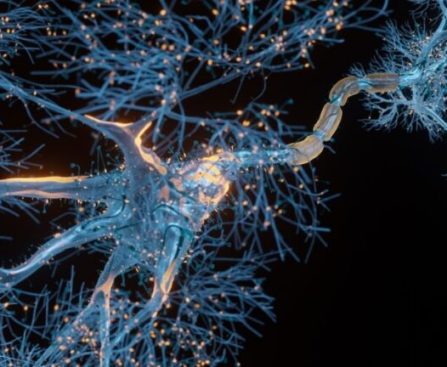
As our life expectancy continues to increase, we can expect more people to be affected by neurodegenerative diseases in the future. Tauopathies, such as Alzheimer’s Disease, are a group of neurodegenerative diseases that involve an accumulation of tau protein. This eventually results in massive brain cell loss. The underlying causes of these disorders are not well understood […]
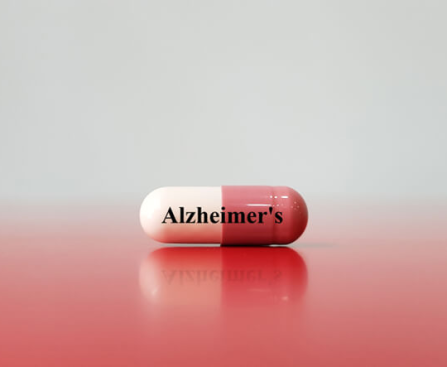
The Food and Drug Administration (FDA) recently granted accelerated approval to a new Alzheimer’s treatment called lecanemab, which has been shown to moderately slow cognitive and functional decline in early-stage cases of the disease. Alzheimer’s disease is a progressive disorder that damages and destroys nerve cells in the brain. Over time, the disease leads to a gradual […]
Injections are often required for lifelong treatment of chronic diseases such as rheumatoid arthritis. Patients skip doses due to fear of needles, infection from injections and pain. This encourages the development new delivery strategies which combine efficacy and minimal side effects. Researchers from Baylor College of Medicine, along with other institutions that collaborated on the project, […]
G3 Therapeutics (a life sciences company) that uses large-scale, multi-omic, biological big data for the development of life-changing diagnostics and therapeutics, as well as Aitia (the leader in the use of Causal Artificial Intelligence and “Digital Twins”, to discover and create new drugs), announced today the results of a research project that identified new ASCAD […]
Huma Therapeutics Limited (Huma), a leading digital health company in the world, has announced the results of an innovative study conducted in collaboration with Medical Research Council Epidemiology Unit, University of Cambridge. The study showed that participants who used Huma’s platform for clinical trials had sustained high levels of engagement during a fully remote observational […]
Stanford Medicine discovered that children with autism have difficulty identifying emotional tones because of differences in the brain area responsible for processing social data. Stanford School of Medicine has found that children with Autism have trouble identifying the emotional content of other people’s voices due to differences in brain wiring. These findings, published in Biological Psychiatry […]
A new study by the University of Surrey found that cocoa reduces blood tension and arterial stiffness only when it is elevated. Cocoa flavanols were found to reduce blood pressure as well as arterial stiffness, as effectively as some blood-pressure medications. But the effectiveness of flavanols in reducing blood tension in everyday life is still unknown. […]
Even before COVID-19, type 2 diabetes in children was on the rise. A review of medical records across the country shows that the type 2 diabetes rate has risen sharply during the pandemic. This is especially true for Black and Hispanic children. The investigators say it’s unclear if the virus itself played a role in the […]
Researchers at Stanford Medicine conducted a study in which more than half the patients who had persistent smell loss improved with platelet-rich blood plasma injections. Zara Patel MD was there when COVID-19 patients began to report that their sense of odor had been affected. Patel, a professor of otolaryngology in Stanford Medicine, has studied the loss […]