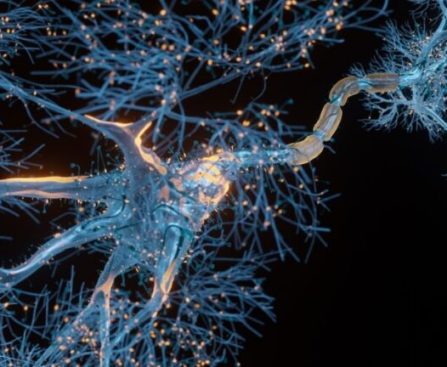
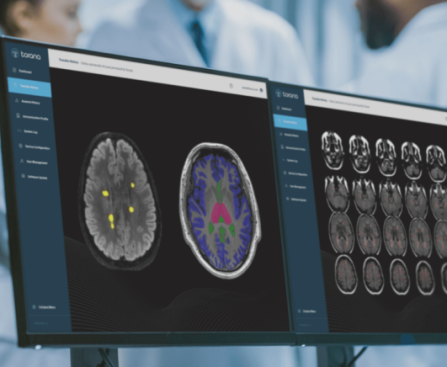
Imagine being able to slip in and out consciousness hundreds of time per day. You would be awake but not aware during these lapses. These highly disruptive episodes in children with absence seizures are called absence seizures. During brief staring spells children temporarily lose consciousness. EEG recordings can capture abnormal rhythms, but the neuronal causes of absence […]
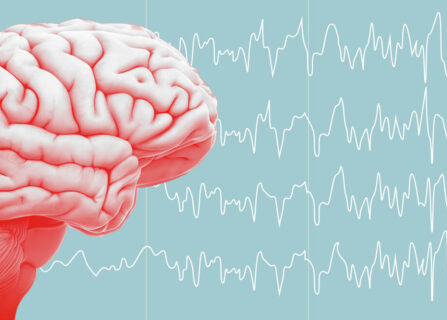
Tourette syndrome is a disorder that causes uncontrollable vocal or motor tics. It usually begins in childhood, and it can affect school performance, relationships and quality of living. A Yale team used stem cells to create 3D brain models in a culture plate that mirrored the development of patients’ brains. This revealed mechanisms for why this […]
The National Institutes of Health supported a research team that developed a new method to better understand polycystic renal disease (PKD), affecting millions of people worldwide. Scientists used two methods to model the disorder – organs-in-a dish and organs-on-a chip technologies – to demonstrate the role glucose, a common sugar found in blood, plays in forming […]
As our life expectancy continues to increase, we can expect more people to be affected by neurodegenerative diseases in the future. Tauopathies, such as Alzheimer’s Disease, are a group of neurodegenerative diseases that involve an accumulation of tau protein. This eventually results in massive brain cell loss. The underlying causes of these disorders are not well understood […]
The Food and Drug Administration (FDA) recently granted accelerated approval to a new Alzheimer’s treatment called lecanemab, which has been shown to moderately slow cognitive and functional decline in early-stage cases of the disease. Alzheimer’s disease is a progressive disorder that damages and destroys nerve cells in the brain. Over time, the disease leads to a gradual […]
Stanford Medicine discovered that children with autism have difficulty identifying emotional tones because of differences in the brain area responsible for processing social data. Stanford School of Medicine has found that children with Autism have trouble identifying the emotional content of other people’s voices due to differences in brain wiring. These findings, published in Biological Psychiatry […]
Although technology has made great progress in linking mental disorders with abnormal brain activity, there is still work to be done for diseases such as PTSD. The neuroimaging technology is a promising tool for clinicians to link mental disorders with specific symptoms. A new study led by Yale shows that there are still kinks in the […]